


Medically Reviewed by Dr. Michelle Kamel on September 24, 2026
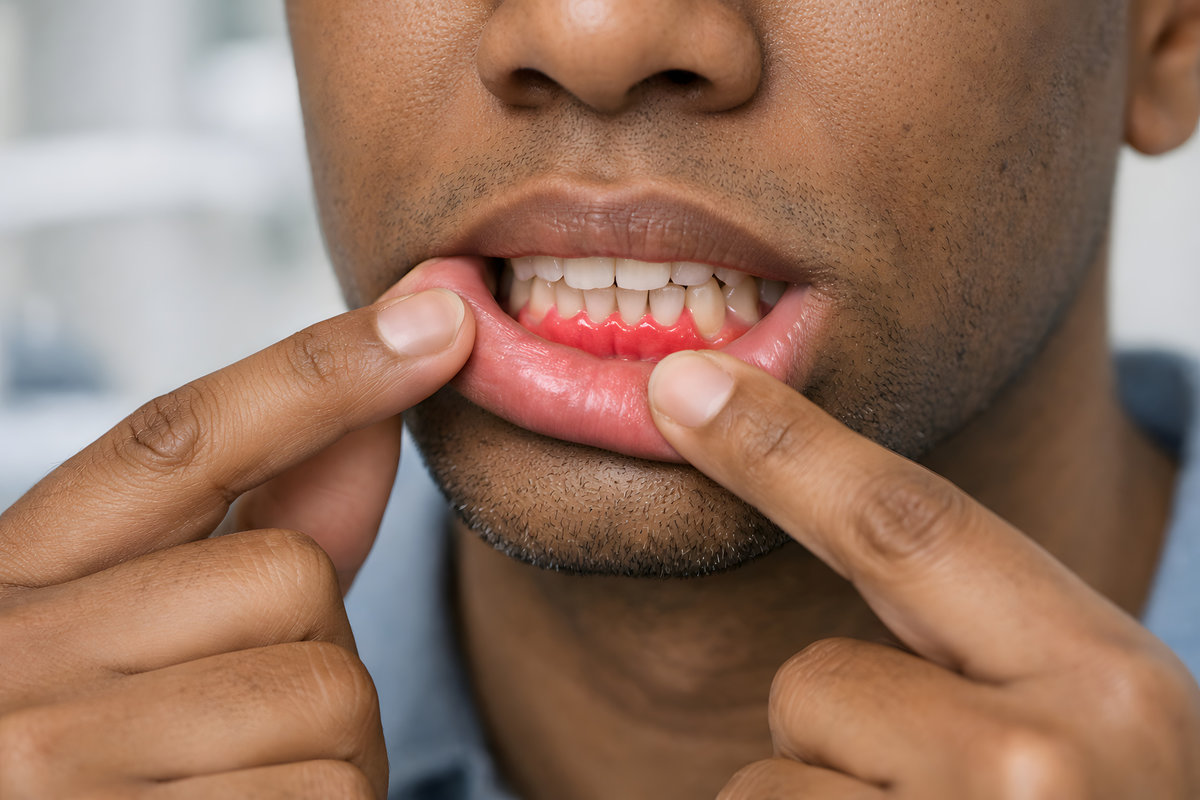
Gum recession can transform from a minor aesthetic concern into a pressing dental issue when tooth roots become exposed, triggering sensitivity, increasing the risk of decay, and altering your smile. Half of adults aged 18 to 64 experience at least one site of gum recession, while that figure jumps to 88 percent among those aged 65 and older.
At Dental West NYC, our team understands how gum recession develops and the advanced treatment options available to restore both function and aesthetics. Periodontal care at our Upper West Side practice combines traditional techniques with innovative laser technology to address recession at any stage. Dr. Michelle Kamel, who completed her postdoctoral training in Periodontics and Implant Dentistry at NYU College of Dentistry, brings extensive clinical experience treating gum recession with precision and care.
Recognizing When Treatment Becomes Necessary
Gum recession becomes problematic when it extends beyond cosmetic concerns. Exposed root surfaces lack the protective enamel covering found on tooth crowns, making them vulnerable to temperature sensitivity, decay, and abrasion. You might notice increased sensitivity to hot or cold foods, visible root surfaces making teeth appear longer, or pain when brushing. The progression varies among individuals, with some people experiencing rapid recession demanding immediate intervention, while others notice gradual changes over the years.
Regardless of pace, the untreated recession continues advancing without professional treatment. Research published in the Journal of the American Dental Association indicates more than 50 percent of the population has one or more sites with gum recession of 1 millimeter or more. Early detection allows for less invasive interventions and better outcomes.
Traditional Surgical Solutions
Surgical approaches to treating gum recession have a long-established track record spanning decades. These procedures physically restore lost tissue and protect vulnerable root surfaces from further damage.
Gum Grafting Procedures
Gum grafting remains a highly effective treatment for recession. During this procedure, tissue is taken from the roof of your mouth or another donor source and sutured over the exposed root surface. The graft integrates with existing tissue, covering the root and preventing further recession.
Different grafting techniques address specific needs. Free gingival grafts add thickness to thin tissue, connective tissue grafts provide natural-looking coverage, and pedicle grafts use adjacent tissue when available. Recovery typically requires several weeks, during which soft foods and gentle oral hygiene protect the healing area.
Guided Tissue Regeneration
This technique stimulates the regrowth of lost bone and gum tissue. A special membrane is placed between the gum tissue and bone, preventing fast-growing gum tissue from invading the space needed for slower-growing bone. The body’s natural healing processes regenerate the supporting structures around the tooth.
Advanced Laser Treatment Options
Laser technology has revolutionized how periodontists treat gum recession. The PerioLase MVP-7, an FDA-approved laser system available at Dental West NYC, offers a minimally invasive alternative to traditional surgery. This approach targets diseased tissue while preserving healthy structures. The LANAP protocol uses precise laser energy to remove bacteria and infected tissue, stimulate bone regeneration, and encourage gum tissue to reattach.
Patients experience less discomfort, minimal bleeding, and faster recovery compared to conventional procedures. The laser’s selectivity means healthy tissue remains untouched while problematic areas receive treatment.
Non-Surgical Approaches
When recession is a result of gum disease, addressing the underlying infection is paramount. Deep cleaning procedures called scaling and root planing remove plaque and tartar from below the gum line and smooth root surfaces to discourage bacterial accumulation. This treatment often halts progression and allows gums to heal naturally. Modifying daily habits also plays a crucial role in managing recession, with changes such as switching to a soft-bristled toothbrush, using proper brushing technique, and addressing teeth grinding with a custom nightguard to prevent further damage.
Factors Affecting Treatment Selection
Several considerations guide treatment choice:
- Recession severity: Mild cases may respond to non-surgical treatment, while moderate to severe recession typically requires grafting or laser therapy to achieve meaningful coverage.
- Cause identification: Recession from aggressive brushing requires different management than recession from periodontal disease or tooth malposition.
- Patient preferences: Some people prioritize minimal recovery time and choose laser treatment, while others prefer traditional methods with established long-term success rates.
- Overall oral health: The condition of surrounding teeth, bone levels, and tissue quality influences which procedures will succeed.
Treatment success depends on identifying and addressing root causes. Without eliminating the factors driving recession, even the most skillfully executed procedures may fail to provide lasting results.
Expected Outcomes and Recovery
Successful treatment restores coverage over exposed roots, eliminates sensitivity, improves aesthetics, and protects against future damage. Traditional grafting procedures typically yield final results within 3 to 6 months as the grafted tissue fully integrates. Laser treatments often allow patients to resume normal activities within days. Maintaining results requires commitment to proper oral hygiene and regular professional care, with your periodontist monitoring healing and addressing any concerns during follow-up appointments.
Most patients experience significant improvement in both comfort and appearance following treatment.
What is the most effective treatment for gum recession?
The most effective treatment depends on the cause and severity of the recession. Gum grafting has a long-established track record for restoring coverage over exposed roots in moderate to severe cases. Laser treatment with the LANAP protocol offers a minimally invasive option that also addresses underlying periodontal disease and can stimulate bone regeneration. A periodontist evaluation is needed to determine which approach will produce the best outcome for your specific situation.
How long does recovery take after gum grafting?
Most patients feel comfortable within a few days after a gum graft. The graft site and the palate donor area are typically sore for one to two weeks, during which a soft diet and gentle hygiene are recommended. Full tissue integration typically takes three to six months, after which the final aesthetic and functional outcome becomes visible. Your periodontist will monitor healing at follow-up appointments throughout that period.
Will my insurance cover gum recession treatment?
Coverage depends on your insurance plan and the treatment recommended. Procedures classified as periodontal treatment, such as scaling and root planing or gum grafting, are often partially covered when there is documented periodontal disease. As a fee-for-service practice, Dental West NYC provides a clear cost estimate before treatment begins so you can make an informed decision about your care.
At what point does gum recession become urgent?
Gum recession should be evaluated promptly when you notice increased sensitivity, visible root exposure, teeth that appear longer than before, or pain when brushing. Recession that is caught early responds better to less invasive treatment. Once significant root surface is exposed or bone loss has progressed, more involved procedures are typically required to restore what has been lost. Waiting does not make the problem easier to treat.
Gum Recession Treatment at Dental West NYC
Gum recession demands professional evaluation to prevent complications and restore oral health. Dr. Michelle Kamel graduated with honors in Periodontics from NYU College of Dentistry and brings advanced training in both traditional and laser-based treatment approaches. Our fee-for-service practice prioritizes quality care and invests in advanced technologies, such as the FDA-approved PerioLase MVP-7 laser system.
Whether you notice minor changes or significant recession, addressing the problem promptly yields better outcomes. Contact our office to schedule a consultation and learn which treatment approach best suits your needs.
ABOUT THE AUTHOR
Dr. Michelle Kamel
Periodontist at Dental West NYC, New York, NY
Dr. Michelle Kamel graduated with honors in Periodontics and Implant Dentistry from New York University College of Dentistry. She brings extensive clinical experience in both surgical and laser-based periodontal treatments to Dental West NYC, where she uses the FDA-approved PerioLase MVP-7 laser system to provide minimally invasive care.