



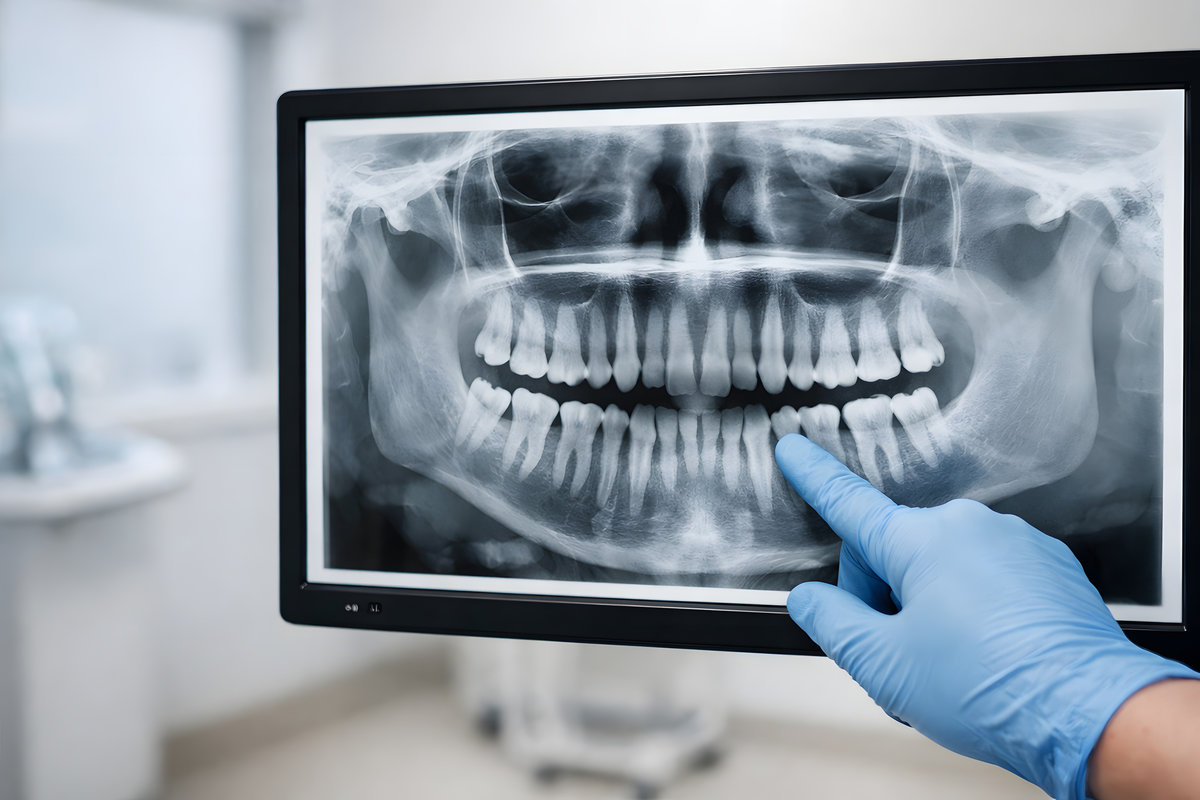
Severe upper jaw bone loss once meant limited options for tooth replacement, leaving many patients facing the disappointing choice between ill-fitting dentures or complex, lengthy bone grafting procedures. Traditional dental implants require adequate bone structure for proper placement, and when that foundation is missing due to periodontal disease, trauma, or years of tooth loss, patients were often told they simply weren’t candidates for stable, permanent tooth replacement.
Zygomatic implants represent a breakthrough solution that’s transforming outcomes for patients who’ve been turned away from conventional dental implants. At Dental West NYC, Dr. Leora Walter offers this advanced prosthodontic treatment to patients with severe maxillary bone atrophy, providing a path to full-arch restoration without the extended timelines and complications associated with extensive bone grafting procedures.
What Makes Zygomatic Implants Different from Traditional Dental Implants?
While conventional dental implants anchor into the alveolar bone of the jaw, zygomatic implants take a completely different approach. These specialized implants are significantly longer than standard implants and anchor directly into the zygomatic bone, also known as the cheekbone. This dense, stable bone structure provides exceptional support even when the maxillary jawbone has experienced severe resorption.
The technique was pioneered in the late 1980s specifically to address cases where the posterior upper jaw lacked sufficient bone volume for traditional implant placement. According to research published in the International Journal of Implant Dentistry, the main indication for zygomatic implants is extreme maxillary bone atrophy resulting from various factors, including long-term edentulism, periodontal disease, traumatic injury, and tumor resection. By bypassing the compromised jawbone entirely, zygomatic implants provide immediate stability in the dense zygomatic bone.
Who Benefits Most from Zygomatic Implant Treatment?
Zygomatic implants provide life-changing solutions for several patient populations. Patients who have been edentulous for many years often experience significant bone resorption in the upper jaw, particularly in the posterior regions where the bone naturally thins over time. These individuals may have struggled with uncomfortable dentures that slip and limit their ability to eat confidently.
Patients with failed conventional implants or unsuccessful bone grafting procedures represent another group that benefits tremendously from this approach. Rather than attempting additional grafting procedures with uncertain outcomes, zygomatic implants provide a reliable alternative that anchors in healthy bone. Additionally, patients who have undergone maxillary resection due to oral cancer or who have experienced traumatic bone loss find that zygomatic implants restore both function and aesthetics.
The prosthodontic treatment approach with zygomatic implants typically involves placing two to four specialized implants in the zygomatic bone, often combined with anterior conventional implants when adequate bone is present in the front of the upper jaw. This configuration provides stable support for a fixed, full-arch prosthesis.
How Does the Treatment Process Work?
The zygomatic implant procedure requires advanced training and expertise in both oral surgery and prosthodontics. Treatment begins with comprehensive diagnostic imaging, including CT scans that reveal the precise anatomy of the zygomatic bone and enable precise surgical planning. This digital planning ensures optimal implant positioning for both stability and prosthetic outcomes.
Surgical Placement and Healing
The surgical procedure can often be completed in a single appointment. The implants are placed through the maxillary sinus area and anchored into the dense zygomatic bone, with the implant heads emerging in the mouth in positions that support the final prosthesis. Unlike bone grafting procedures that require months of healing before implant placement, zygomatic implants provide immediate anchorage and can often support a provisional prosthesis on the same day as surgery.
Prosthetic Restoration
Following a healing period during which osseointegration occurs, the final full-arch restoration is fabricated and secured to the implants. The prosthesis is designed to restore both function and aesthetics, allowing patients to eat, speak, and smile with confidence. The screw-retained design allows for future maintenance and adjustments as needed.
What Are the Advantages Over Traditional Bone Grafting?
Patients considering tooth replacement with severe bone loss traditionally faced extensive bone grafting procedures. These procedures might involve sinus lift surgery, block bone grafts harvested from other areas of the body, or synthetic bone materials placed in multiple surgical stages. The entire process could take 12 to 18 months before final teeth are placed, with variable success rates and potential complications.
Zygomatic implants eliminate the need for these preliminary grafting procedures entirely. The treatment timeline is drastically reduced, often allowing patients to receive provisional teeth on the same day as implant placement. The success rates for zygomatic implants are excellent, with research showing survival rates above 96% even after five or more years of function. Perhaps most importantly, patients avoid the additional surgical sites, extended healing periods, and uncertainty associated with bone grafting procedures.
Experience Advanced Prosthodontic Care at Dental West NYC
Dr. Leora Walter brings specialized prosthodontic expertise to complex cases involving severe bone loss in the upper jaw. With advanced training in full-arch rehabilitation and a commitment to evidence-based treatment, she evaluates each patient’s unique anatomy and needs to determine whether zygomatic implants are the best solution. The practice’s fee-for-service model ensures that treatment decisions are based on what you actually need rather than what insurance will cover, providing access to advanced techniques that might not be available in volume-based practices.
If you’ve been told you’re not a candidate for dental implants due to insufficient bone, zygomatic implants may offer the solution you’ve been seeking. This advanced treatment provides stable, long-lasting tooth replacement without the extended timelines and complications of extensive bone grafting. To learn more about whether zygomatic implants are right for your situation, book an online consultation with our team.