


Complex prosthodontic cases require more than technical skill. They demand a systematic approach to evaluation, strategic sequencing of procedures, and clear communication that helps patients understand both the journey and the destination. For patients facing extensive dental work, understanding how treatment planning actually works can reduce anxiety and build confidence in the process.
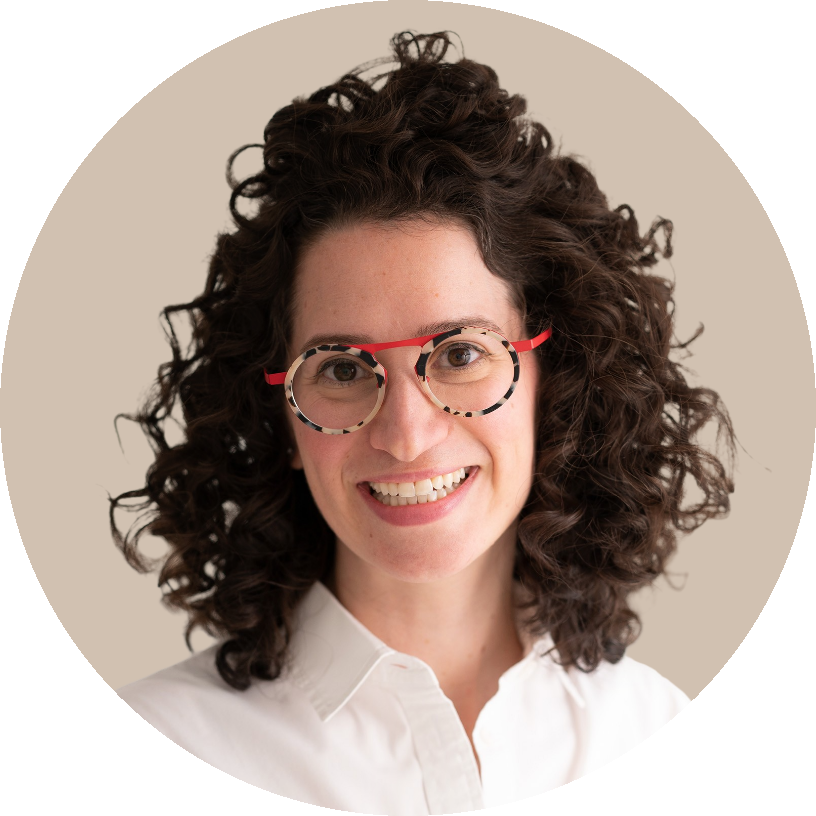
At Dental West NYC, Dr. Leora Walter approaches complex cases with a methodical evaluation process that considers every aspect of oral health. As a prosthodontist with surgical training, Dr. Walter coordinates comprehensive dental care with specialists while ensuring that every phase of treatment builds toward optimal function and aesthetics. Her thorough approach means patients receive treatment based on clinical necessity rather than preconceived assumptions. Understanding the broader field of prosthodontics helps patients appreciate why specialized evaluation matters for complex restorative cases.
The Comprehensive Evaluation Process
When patients arrive with complex dental problems, Dr. Walter begins with a thorough clinical examination that extends beyond the obvious. The practice examines gum tissue and the periodontal foundation alongside the teeth themselves. Dr. Walter takes extensive clinical photos and x-rays, then synthesizes all the information to create a complete picture of the patient’s oral health.
There isn’t one specific factor that determines treatment. Dr. Walter recalls a patient whose mandibular hybrid prosthesis had broken. He wanted a replacement made immediately. However, when she examined his mouth, she discovered an active infection with pus coming from the upper implants. The patient had come in with his own treatment plan, but addressing the infection had to take priority over replacing the broken prosthesis.
Partnership in Complex Treatment
For complex cases to succeed, patients must be active participants. “If we’re going to work together, I need you to be on my team,” Dr. Walter tells patients when treatment requires significant commitment. Without an engaged patient who understands why each phase matters, achieving successful outcomes becomes much more difficult.
This partnership extends to encouraging questions and second opinions. Dr. Walter welcomes patients calling with additional questions or seeking further explanation. She’s not threatened by patients getting second opinions because she’s confident in her treatment planning. Complex cases require everything to be evaluated, and patients deserve to fully understand what they’re committing to.
Strategic Sequencing: The Art of Treatment Planning
According to the American College of Prosthodontists, prosthodontists receive three additional years of specialized training beyond dental school in the restoration and replacement of teeth, making them uniquely qualified to manage complex, multi-phase treatment plans.
Treatment planning and sequencing take considerable time and expertise. Prosthodontists coordinate care across multiple specialists. The practice sends patients to oral surgeons and endodontists when needed, gathering all necessary data before creating a comprehensive treatment plan. This coordinated approach is one reason the practice doesn’t operate like a high-volume dental chain.
Determining Treatment Priority
The first question in sequencing is always: what’s most urgent? Dr. Walter looks for active infections or situations causing pain. These issues must be addressed first. Surgery typically comes early in the sequence because you need to ensure the foundation is solid before building restorations on top.
However, prosthodontic treatment often involves doing multiple procedures simultaneously. A patient might have numerous teeth extracted, dental implants placed, and a prosthesis delivered all in one appointment, then wait for everything to heal before the next phase. Sometimes significant treatment happens all at once, followed by extended healing periods where biology does its work.
Communicating Complex Treatment to Patients
The practice’s treatment planning software allows Dr. Walter to outline each phase clearly. She can show patients step one, step two, and step three in the treatment plan, explaining what needs to happen and when. She’s upfront about timelines, letting patients know if treatment will take a year and a half or two years.
An important part of managing patient expectations is explaining what “temporary” actually means. Patients wearing provisional restorations can function fully. They can smile, chew, and live normally. Yes, it’s called temporary because it’s made from plastic rather than the final materials, but patients maintain full function during the healing phases.
The Decision Tree Approach
Dr. Walter created a visual postcard showing different fixed and removable options with their pros and cons. This decision tree helps patients understand their choices and allows them to take the information home. “There’s never any pressure in this office,” she emphasizes. Patients who need time to consider their options are encouraged to go home and make their decision when they’re ready.
When discussing options, Dr. Walter tries to understand what patients are interested in while also reading their situation on multiple fronts. She might know from treating someone for years that finances are a concern. While fixed options are typically more costly than removable ones, she presents both because different patients have different priorities. “I do treatment based on what’s necessary and give multiple options based on what’s necessary,” she explains.
Balancing Patient Input with Clinical Judgment
Dr. Walter gives patients considerable input into their final restorations, particularly when it comes to aesthetics. The practice places patients in provisional restorations first to ensure they work and that patients are happy with them. This try-in phase is the time for discussion.
While wearing provisionals, patients can identify aspects they like or don’t like. The practice can then relay feedback to the lab and make adjustments before creating the final restoration. The provisional phase serves as both a functional test and an aesthetic preview.
When Finances Impact Treatment Choices
Dr. Walter is direct about her approach to finances and treatment recommendations. She doesn’t base treatment plans on what generates the most revenue. In fact, she often provides treatment options at different price points so patients can choose what works for their situation. A patient might come in wanting only fixed treatment, but Dr. Walter will also present a removable treatment plan because it’s less costly, and the patient needs to know all their options.
“My end result is that the patient can function. They need to look good and feel good, but they also need to function,” she explains. Whether patients achieve function with removable or fixed prosthetics is ultimately their decision once they understand the options and trade-offs.
Working with a Specialized Aesthetic Lab
Dr. Walter collaborates with a highly regarded aesthetic dental laboratory that specializes in complex prosthodontic restorations. This partnership ensures that the provisionals and final restorations achieve the highest level of craftsmanship and natural appearance. The lab’s expertise in creating lifelike restorations is essential for complex cases where multiple teeth are being restored.
The practice takes analog impressions rather than digital scans for prosthodontic work. When Dr. Walter discussed her preference with her lab partner, he fully agreed with her assessment. While many practices rush to adopt the latest technology, Dr. Walter chooses techniques based on outcomes rather than trends. Being aware of technology is helpful, she notes, but just because something is new doesn’t automatically make it better.
Experience Complex Case Planning at Dental West NYC
If you’re facing a complex dental restoration, understanding how treatment planning works can help you feel more confident about the journey ahead. Dr. Walter’s systematic approach ensures that urgent issues are addressed first, treatment phases are sequenced for optimal healing, and you understand every step before moving forward. Her coordination with specialists means all aspects of your care work together toward a unified goal.
Dental West NYC combines Dr. Walter’s prosthodontic expertise with a patient-centered philosophy that respects both clinical necessity and individual circumstances. The practice’s fee-for-service model allows treatment decisions to be based on what you actually need rather than what insurance companies will cover, and financing through CareCredit and Cherry helps make comprehensive care accessible. Whether you need a single implant or full arch teeth replacement, contact our office to schedule a consultation and experience prosthodontic treatment planning that puts your function, aesthetics, and understanding first.