


Prosthodontics remains one of the most misunderstood dental specialties, with many patients unsure what sets these specialists apart or how they can help restore both function and confidence. Understanding what to expect before your first visit can make the difference between feeling overwhelmed and feeling empowered about your treatment journey.
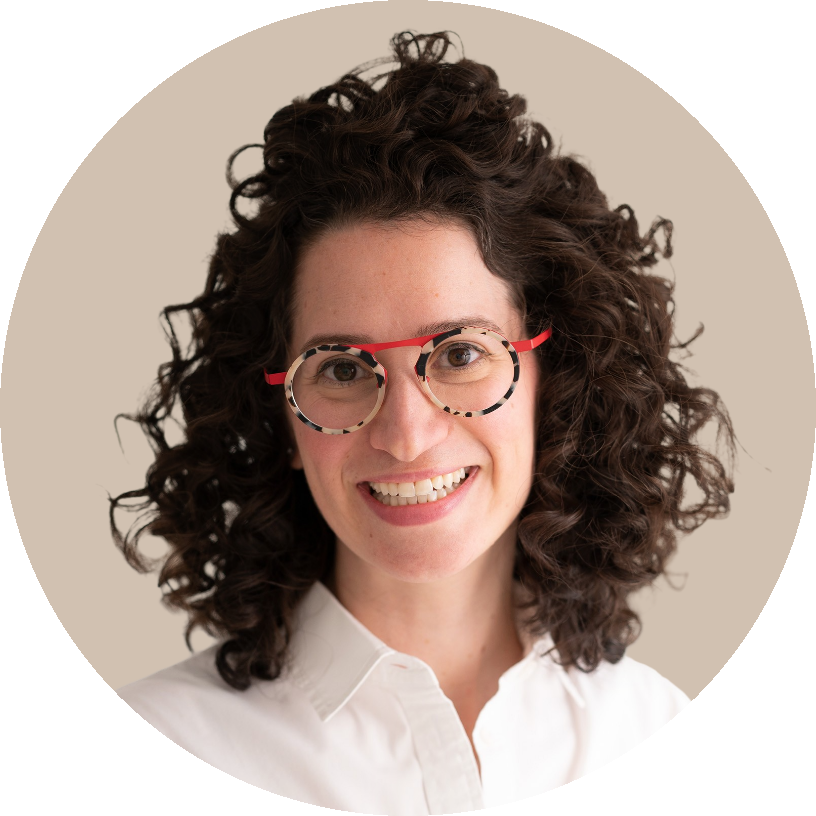
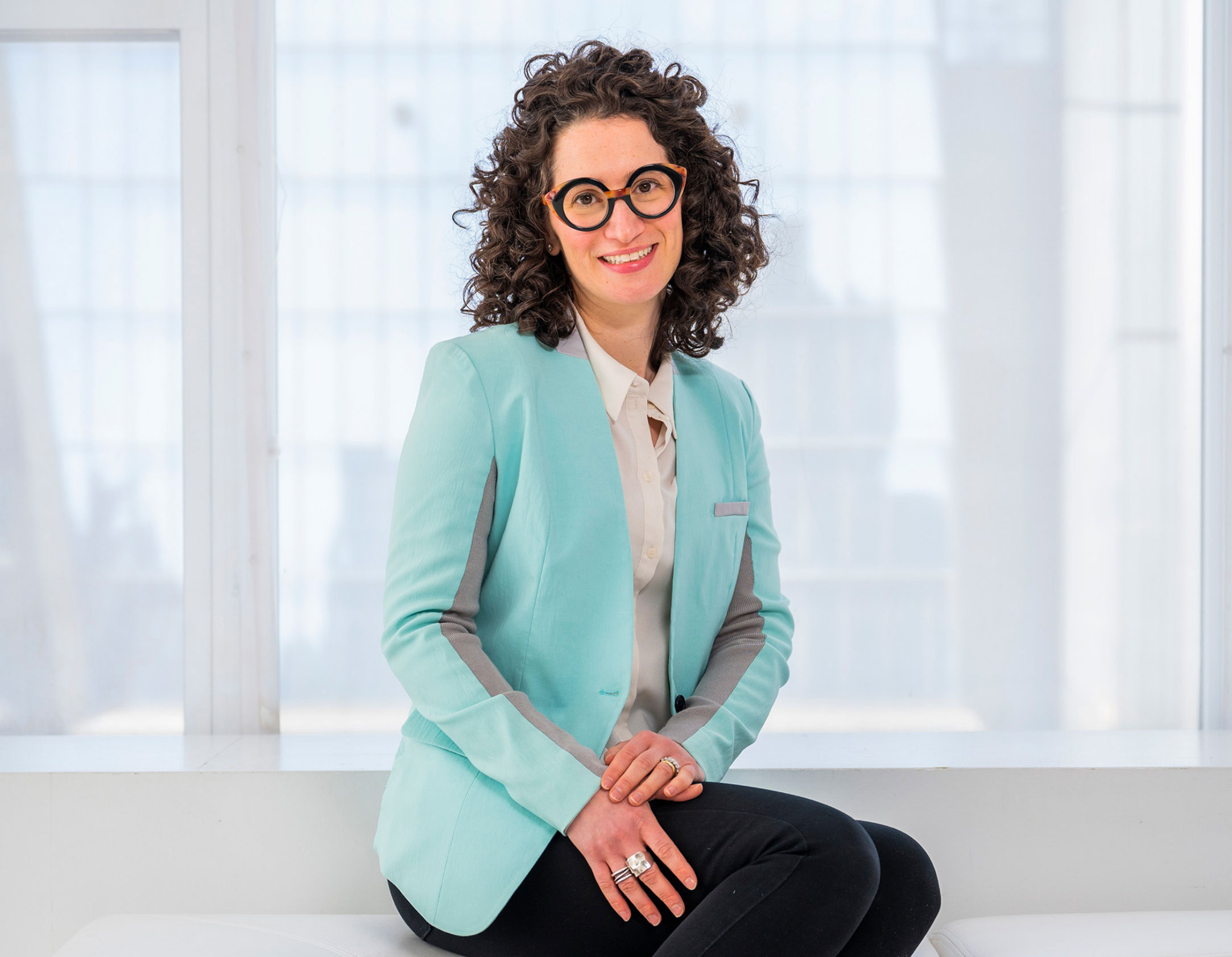
At Dental West NYC, Dr. Leora Walter brings a comprehensive approach to prosthodontic care on the Upper West Side. As a Board-certified prosthodontist with extensive training in both surgical and restorative techniques, Dr. Walter helps patients navigate complex dental restoration with clarity and compassion. Her practice focuses on preserving natural teeth whenever possible while providing advanced solutions when restoration becomes necessary.
Understanding What a Prosthodontist Actually Does
Most people have never heard of prosthodontists, and that’s completely normal. During National Prosthodontics Awareness Week, the specialty conducted informal surveys asking people if they knew what a prosthodontist was. “No one knew,” Dr. Walter recalls. Some people even guessed it might be someone who studies dinosaurs.
The reality is much simpler. “If you break down the word, it’s prosthetic. It’s a prosthetic dentist,” Dr. Walter explains. A prosthesis replaces something that’s missing. Just as someone with a missing leg would get a prosthetic leg, someone with a missing tooth gets a prosthetic tooth. This specialized training in creating and placing dental prostheses sets prosthodontists apart from general dentists.
The Whole-Mouth Perspective
One crucial distinction Dr. Walter wants patients to understand is how prosthodontists approach treatment. “A prosthodontist looks at the mouth as a whole,” she explains. In contrast, general dentists often focus on individual teeth, looking at one tooth that needs a filling or one tooth that needs a crown.
This comprehensive perspective allows prosthodontists to identify underlying causes rather than just treating symptoms. Dr. Walter recalls a patient who came in requesting a new crown for a broken restoration. When she examined his mouth, she was able to explain exactly why the crown had broken in the first place. The patient immediately recognized the pattern she described. “That’s what a prosthodontist does. We understand” the bigger picture of what’s happening in your mouth, she notes.
The Complexity and Time Required for Quality Results
Perhaps the most important message Dr. Walter wants to communicate is about timing and expectations. “Restoration is harder than preservation,” she emphasizes. “Dentistry is never easier and cheaper than today. The longer you wait, the more expensive, the more complicated it’s going to be.”
According to research from the American College of Prosthodontists, approximately 120 million Americans are missing at least one tooth, with 36 million missing all their teeth, yet many delay necessary treatment due to misconceptions about the process.
Why Complex Cases Take Time
When patients have damaged their teeth over the years, restoration cannot happen overnight. “If you need surgery, if you need more extensive restorative work, it takes time for all that to be done. And you need to allow biology and healing time as well,” Dr. Walter explains.
The sequencing of treatment phases is deliberate and necessary. “We’re doing step one, and then we’re waiting, and then we’re doing step two, and we’re waiting,” she notes. “Your body just needs time to heal.” This phased approach ensures optimal results and long-term success, even though it requires patience from patients eager to complete their treatment.
The Breadth of Knowledge Required
Dr. Walter wants patients to understand the extensive expertise required for complex prosthodontic work. “I don’t think that patients understand the breadth of knowledge and the work that we need to be doing in order to recreate what they have,” she explains. This knowledge extends far beyond simply making a replacement tooth.
The evaluation process itself is comprehensive. The practice examines not just teeth but also gum tissue and the periodontal foundation. Dr. Walter takes extensive clinical photos and x-rays, then synthesizes all the information to create a complete picture of each patient’s oral health status.
The Decision-Making Process and Patient Partnership
Dr. Walter created a visual postcard showing different fixed and removable options to help patients understand their choices. She uses this decision tree approach to gauge where patients are in their thinking and to ensure they understand the pros and cons of each option.
What matters most to Dr. Walter is partnership. “If we’re gonna work together, I need you to be on my team,” she tells patients. “This is a partnership and you both need to actively enter it.” Without an engaged patient who understands and participates in the treatment plan, successful outcomes become much more difficult to achieve.
Financial Flexibility and Treatment Options
Understanding that finances play a role in treatment decisions, Dr. Walter focuses on helping each patient achieve function, appearance, and comfort. “I don’t have a boat payment to make. So whatever makes my patient happy and they get to the result, my end result is that the patient can function. They need to look good and feel good, but they also need to function.”
This philosophy means presenting multiple options and allowing patients to choose the path that works for their situation. The practice structures payment to align with treatment phases. “Patients can pay for the first sequence of treatment. We never need to pay for everything all at once because we take things in tranches,” Dr. Walter notes. This approach makes comprehensive treatment more accessible while respecting the biological healing timeline.
The Role of Education
Education sits at the heart of Dr. Walter’s practice. “I teach at a GPR program, and I’ve been teaching at that program ever since I was a resident myself. I think education is at the center of everything that you do.” This commitment extends to patient education, with Dr. Walter spending significant time explaining problems, solutions, and options.
She approaches patient requests for specific treatments with curiosity rather than dismissiveness. When patients come in with a particular treatment in mind, Dr. Walter wants to understand why. “Was it because someone told them that’s what it should be? Is it because they Googled it?” Understanding the patient’s perspective allows for more productive conversations about what will actually serve their needs.
Schedule Your Prosthodontic Consultation at Dental West NYC
If you’re considering prosthodontic treatment, understanding these key principles will help you approach your first consultation with realistic expectations and the right questions. Dr. Walter’s comprehensive approach ensures that every aspect of your oral health is considered, from the foundation of your gums and bone to the aesthetics of your final restoration. Her focus on prevention, education, and partnership means you’ll be an informed participant in your treatment decisions rather than a passive recipient of care.
Located on the Upper West Side, Dental West NYC operates as a fee-for-service practice that maximizes PPO reimbursement while maintaining the highest standards of personalized care. Dr. Walter’s surgical training as a prosthodontist allows her to offer both conservative and advanced treatment options, and the practice’s financing options through CareCredit and Cherry help make comprehensive care accessible. Whether you’re dealing with a single missing tooth or planning full mouth rehabilitation, contact our office to schedule your consultation and discover how prosthodontic expertise can restore your smile.