


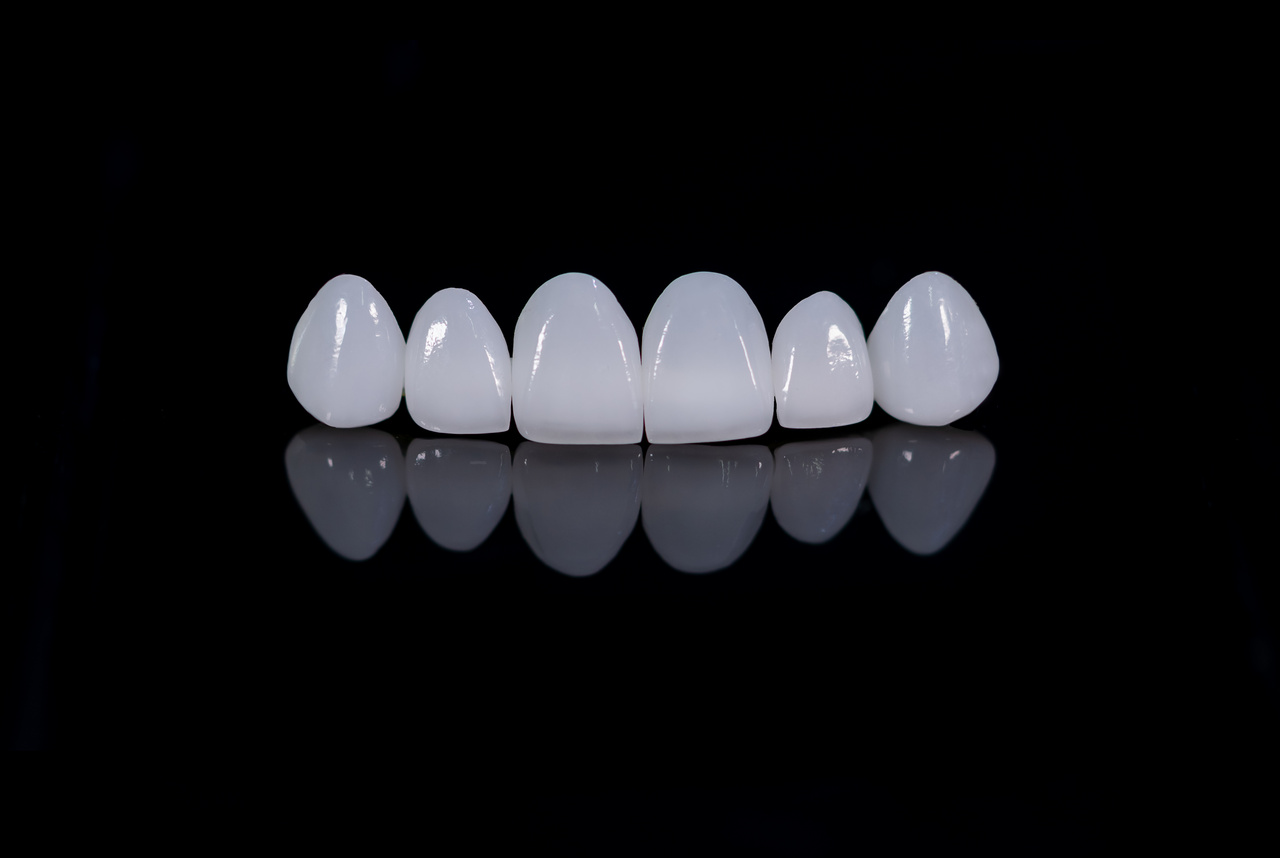
Porcelain veneers can change a smile more dramatically than almost any other single procedure. For patients living with discoloration that whitening won’t touch, chips that draw unwanted attention, or teeth that look slightly short or uneven, veneers are often the most direct path to the result they’ve had in mind.
At Dental West NYC on the Upper West Side, Dr. Leora Walter works with patients who have specific cosmetic goals and want honest guidance on how to reach them. Understanding what veneers can and cannot do, and what the process actually involves, makes all the difference before you begin.
Enhanced Aesthetic Appeal
A single set of porcelain veneers can address several cosmetic concerns at once. Shade, shape, minor gaps, and surface texture can all be corrected as part of one coordinated plan. For patients with intrinsic staining from tetracycline, fluorosis, or other sources that standard whitening cannot reach, veneers deliver a level of correction no bleaching agent can match.
The shade is selected and approved before the final restorations are fabricated. Patients review and confirm the color in advance, so the outcome reflects deliberate planning rather than guesswork. Because the porcelain used for veneers is inherently stain-resistant, the result also holds up better over time than whitened natural enamel.
The design process at Dental West NYC focuses on proportion as much as shade. Dr. Walter looks at the full smile zone, the relationship between tooth length and width, and how the teeth interact when you speak and smile, before any preparation begins.
Durability and Protection
Modern porcelain veneers, when placed on appropriate candidates and cared for properly, can last 15 years or longer. The bonded surface is hard, smooth, and resistant to staining from everyday foods and drinks over time.
Bonding a veneer over a chipped or slightly cracked tooth also provides a degree of structural reinforcement at the surface. For minor chips and superficial cracks, the veneer stabilizes the area while correcting the cosmetic concern. This is not a substitute for restorative treatment when structural integrity is genuinely at risk, but it does address both problems in one step when the chip is cosmetic rather than structural.
Daily care for veneers requires no special products or routines. Brush, floss, and attend your regular cleanings as you normally would. Avoiding habits like biting fingernails, chewing ice, or using your teeth as tools protects the veneers from unnecessary force at the edges.
Boost in Confidence
The change that patients describe after veneer treatment is often less about vanity than it is about relief. When people feel self-conscious about their teeth, they adapt without realizing it, covering their mouth when they laugh, avoiding photos, or holding back a full smile in conversation. After treatment, the behavior reverses naturally.
Dr. Walter approaches the design phase by listening carefully to what patients have always wanted to change about their smile, then building a plan specific to those goals rather than applying a standard template. The consultation is as much a conversation as it is a clinical evaluation.
Who Is a Good Candidate for Veneers
Veneers are best suited to teeth that are healthy and structurally intact. Significant decay or active gum disease should be treated first. Patients who grind heavily may need a nightguard after placement to protect the porcelain from excessive wear.
The evaluation also determines whether minimal-prep or traditional prep veneers are the better fit. Traditional veneers involve removing a thin layer of enamel from each tooth, which creates a permanent commitment to maintaining a veneer or comparable restoration going forward. In some cases, minimal-prep options are appropriate and Dr. Walter will be clear about which approach the clinical situation calls for.
Learn more about Dr. Walter’s background and approach on her provider profile, or meet the full team at Dental West NYC.
Schedule a Consultation at Dental West NYC
If you’ve been thinking about veneers and want an honest evaluation of whether they fit your situation, a consultation is the right first step. Dr. Walter will take a close look at your smile, discuss your goals, and explain exactly what the process would involve before any decisions are made.
Schedule an appointment online at your convenience. We look forward to showing you what’s possible.
How many teeth does a veneer treatment typically cover?
It depends on the goal. Some patients treat a single chipped tooth. Most cosmetic smile transformations cover the upper front six to eight teeth visible when smiling. We design the treatment to achieve a natural, balanced result across the full smile zone.
Is the veneer preparation procedure painful?
The teeth are numbed for the preparation appointment, so discomfort during the process is minimal. Some sensitivity is normal in the days following as the teeth settle. Once the final veneers are placed and bonded, most patients find they feel completely natural.
Can I still get cavities after getting veneers?
Yes. The veneer covers the front surface of the tooth, but the remaining surfaces are still natural enamel. Regular brushing, flossing, and professional cleanings remain important for protecting the uncovered surfaces and the margins where the veneer meets the gumline.
What is the difference between veneers and crowns?
A veneer covers only the front surface of the tooth, preserving most of the original structure. A crown caps the entire tooth and requires more preparation. Veneers are typically the right choice for cosmetic corrections on otherwise structurally intact teeth. Crowns are better when significant structural restoration is needed.